
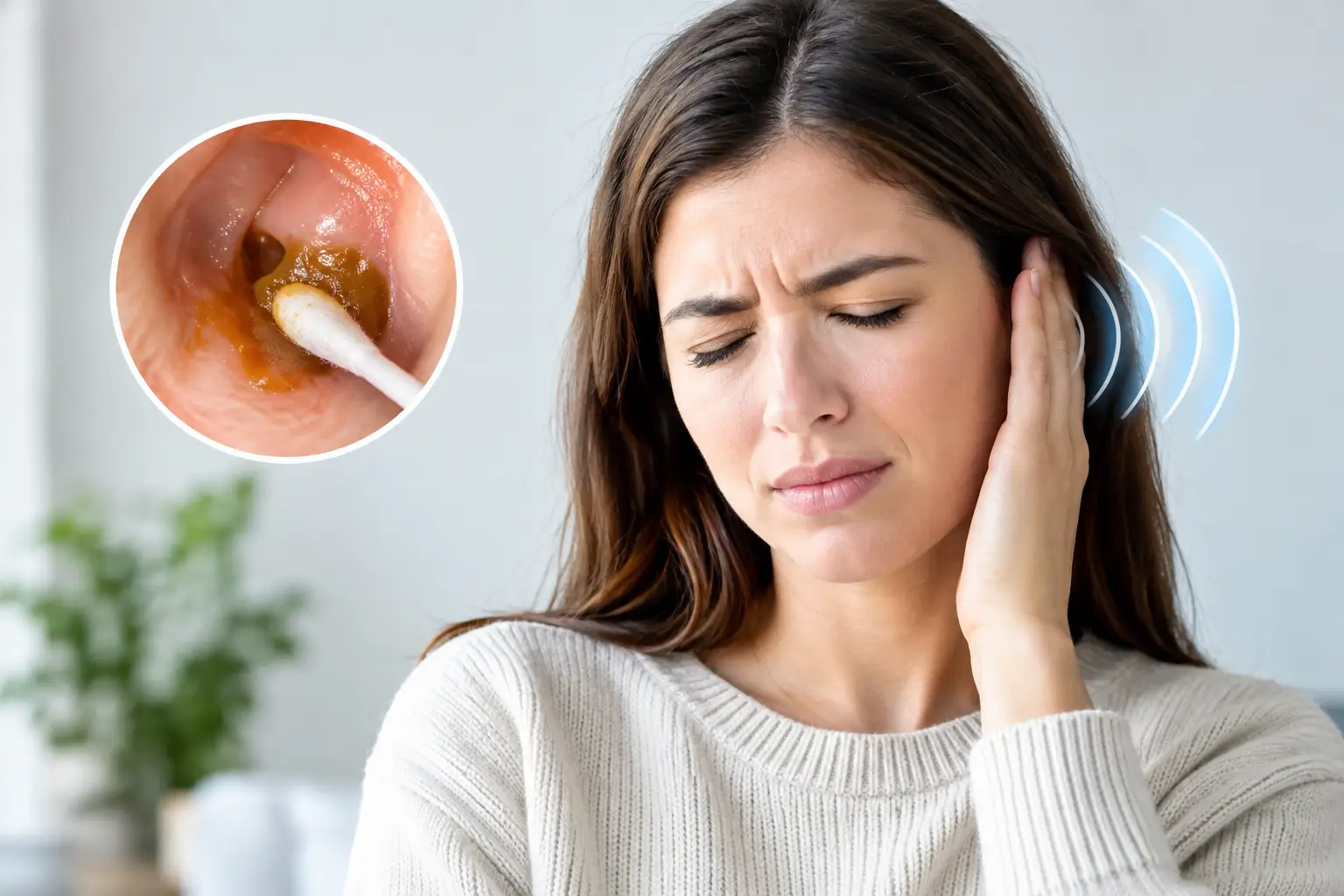
A sudden ringing sound alongside a blocked ear can be unsettling, especially when it seems to appear out of nowhere. So, does earwax cause tinnitus? It can contribute to tinnitus-like ringing in some people, particularly when wax has built up enough to block the ear canal and reduce hearing. But it is not the only possible cause, so it is worth treating new or persistent ringing with the right level of care.
Earwax removal may improve ringing when the wax blockage is the driver. If the sound remains after the blockage has been cleared, or comes with other symptoms, a hearing professional or GP can help identify what needs checking next.
Earwax is normal and useful. It protects the delicate skin of the ear canal, traps dust and helps prevent irritation. Most ears move wax out naturally. Problems start when it becomes compacted, pushed deeper into the canal, or builds up faster than the ear can clear it.
When wax blocks the canal, sounds from outside are muffled. Your brain may respond to that reduced sound input by becoming more aware of internal noises, including ringing, buzzing, hissing or humming. This is often described as tinnitus. The same effect can happen when you have a cold, an ear infection or another temporary cause of reduced hearing.
A wax blockage can also create pressure or a full feeling in the ear. For some people, that sensation makes ringing more noticeable. It does not necessarily mean the wax has damaged the ear. It may simply be changing how you hear and how your brain processes sound at that moment.
Tinnitus is more likely to be linked with earwax if it appeared around the same time as a blocked-ear feeling or a clear drop in hearing. You may notice your own voice sounds unusually loud, the television needs turning up, or one ear feels as though it is underwater.
Wax can be the likely explanation when the ringing is mainly in the more blocked earand there is no pain, discharge or sudden severe hearing loss. Still, symptoms overlap. An ear examination is the only reliable way to confirm whether there is wax present and whether it is enough to block the canal.
No. Tinnitus is common and has many possible causes. Noise exposure, age-related hearing changes, stress, jaw tension, certain medicines, ear infections and circulation-related issues can all play a part. Sometimes no single cause is found.
This is why it helps not to assume that every ringing ear needs wax removal. If a clinician can see a substantial wax blockage, clearing it may be a sensible first step. If the canal is clear, removal will not solve the problem and could irritate the ear unnecessarily.
There is also a middle ground. A person may have both wax buildup and an unrelated cause of tinnitus. Removing the wax can improve hearing and reduce the sense of blockage, while the ringing itself remains. That is still useful information, because it points towards the next appropriate check rather than leaving you guessing.
If earwax is contributing to tinnitus, removing the blockage may improve the ringing as well as the blacked sensation and hearing. Improvement is not guaranteed, however, and tinnitus may remain even after the ear canal is clear. Persistent or worsening tinnitus should be discussed with a GP or a qualified hearing professional.
It is also possible for ringing to feel briefly more noticeable after removal simply because the ear now sounds different. This should not be painful. If you develop significant pain, discharge, dizziness, worsening hearing or persistent ringing, seek clinical advice rather than trying further home treatment.
If wax is compacted or sitting deep in the canal, trying to dig it out can make matters worse. Cotton buds often push wax further in, while hair grips, fingers and ear candles can injure the ear or cause a burn. Ear candles do not remove earwax safely.
Microsuction removes wax using gentle suction under direct visual guidance. The clinician can see what is happening in the ear canal throughout the appointment, which makes it a controlled option for many people with stubborn buildup. It is commonly preferred over traditional syringing, particularly where there is a history of ear problems or the ear needs a more careful assessment.
The right method depends on your ears. Some wax is dry and firm, so softening drops may be advised beforehand. Other wax can be removed without preparation. A trained clinician should explain what they can see, what treatment is suitable and what to expect before they begin.
At Drub, appointments are designed to be clear and comfortable: an ear check first, microsuction where appropriate, and a straightforward explanation of what has been removed and what to do next. For busy households across Greenford and West London, that can mean getting a blocked ear assessed promptly rather than waiting and worrying.
Earwax-related tinnitus is usually not an emergency, but certain symptoms should not be put down to wax without a prompt assessment. Seek urgent medical help by calling 999 or heading to A&E if tinnitus follows a head injury, or occurs with sudden hearing loss, facial weakness or spinning sensation.
You should also contact your GP, an urgent care service or an audiology professional if ringing is only in one ear and does not settle, it is getting worse, it is affecting sleep or daily life, or you have ear pain, bleeding, discharge or a fever. These symptoms can have causes that need a different kind of treatment.
For tinnitus that has lasted several weeks, a hearing test can be valuable even if you think wax started it. Hearing changes are not always obvious in day-to-day life, and understanding them can make the ringing easier to manage.
It is tempting to fix a blocked ear quickly, especially before work, travel or an important family event. The safest approach is usually to leave the canal alone until someone can look inside it. Do not use cotton buds, ear candles or pointed objects. They can compact wax, scratch the canal and increase the risk of infection.
Wax-softening drops may help some people, but they are not suitable for everyone. Avoid using drops without advice if you have a perforated eardrum, grommets, recent ear surgery, active discharge or a known ear infection. If you are unsure, arrange an examination first.
Once wax has been removed, you may not need to do anything special. People who wear hearing aids, swim regularly or repeatedly develop heavy wax may benefit from a personalised maintenance plan. The goal is not to remove every trace of wax. It is to keep the ear canal clear enough for comfortable hearing and healthy self-cleaning.
Ringing can be unnerving, but a blocked ear is one of the more straightforward things to check. A proper look inside the ear can replace uncertainty with a clear next step – whether that is careful wax removal, time for the ear to settle, or advice to investigate the tinnitus further.
If your ear feels blocked and you suspect wax may be contributing to the ringing, book an ear examination at drub, Greenford Quay. We will check the ear first and only recommend wax removal when appropriate.