A blocked ear can make a normal conversation, work call or school run feel strangely distant. When you are trying to hear properly again, earwax removal prices should be clear from the outset, not a surprise at the end of an appointment. In London, the cost can vary widely depending on the method used, whether one or both ears need treatment, and whether you visit a clinic or arrange care at home.
The lowest advertised price is not always the full price, and the highest price does not automatically mean better care. What matters is knowing what is included, who is carrying out the treatment, and whether the method is suitable for your ears.
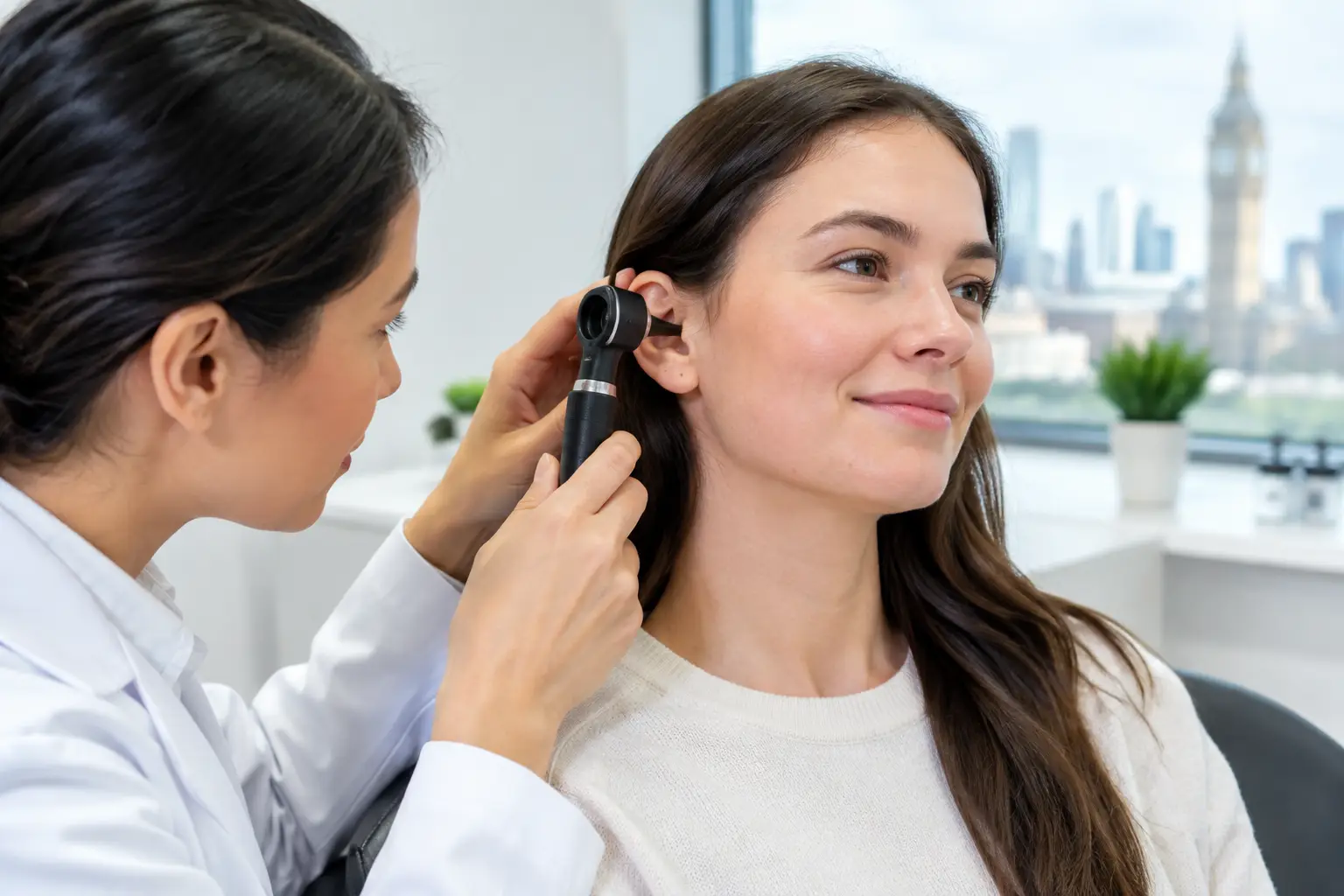
A good earwax appointment is more than a quick attempt to clear the ear. It should begin with an assessment of your ear canal and eardrum, followed by treatment only where it is appropriate. With microsuction, a trained clinician uses direct visual guidance to remove wax carefully using a small suction device.
At many London clinics, prices commonly depend on whether wax is present, whether treatment is needed in one or both ears, and whether the appointment is in clinic or a home visit. Some providers charge a consultation or examination fee if there is no wax to remove. Others offer a single price that includes assessment and removal when clinically suitable.
Drub offers entry pricing from £34, with only a £15 fee if there is no wax for the consultation. Drub provides a price-beat promise designed to make prompt local care more straightforward. Before booking anywhere, check the wording around the advertised fee. Ask whether it includes both the ear check and removal, and whether a separate charge applies for a second ear or a no-wax appointment.
Wax does not always build up evenly. You may feel blocked on one side but have wax in both ears, particularly if you use hearing aids, wear earbuds regularly or have had recurrent build-up before. A clear pricing policy will explain whether the fee changes when both ears need treatment.
A no-wax check is useful too. Pressure, muffled hearing, ringing and discomfort can have causes other than wax. If an examination shows that wax is not the issue, a responsible clinician should explain what they can see and advise on sensible next steps rather than trying to treat an ear that does not need wax removal.
The method is one of the biggest factors. Traditional ear syringing or irrigation may be offered at a lower cost in some settings, but it uses water pressure and is not suitable for everyone.
Microsuction is often priced differently because it is performed under direct visualisation. The clinician can see inside the ear during treatment, allowing for more controlled removal. For many people, this is a reassuring option: no water is used, treatment is usually quick, and you can often see the process on an in-ear camera.
Experience and appointment length also affect cost. A careful service allows time to look in the ear, discuss symptoms, remove wax gradually where needed and explain aftercare. Very hard, dry or deeply impacted wax can take longer than a straightforward build-up. In some cases, softening drops used for a few days before the appointment can make removal easier, though they are not right for every ear.
Location matters as well. Central London premises, urgent availability and home visits all carry different operating costs. A home appointment is especially helpful for someone with limited mobility, a busy parent managing childcare, or an older person who finds travelling difficult. It will generally cost more than an in-clinic visit, but the convenience can be worth it.
Price is only one part of choosing earwax care. A transparent provider should make it easy to understand what will happen and what you will pay. You should feel comfortable asking how the ears are examined, which removal method is used, and what happens if wax cannot be safely removed during the first visit.
Look for a clinic that provides clear information on pricing, and an appointment format that suits your day. Same-day availability can be valuable when blocked ears are affecting your hearing at work, making you feel off-balance, or causing uncomfortable pressure before travel.
It is also worth checking whether the clinic explains when not to proceed. Earwax removal should be approached carefully if you have ear pain, discharge, bleeding, a suspected infection, recent ear surgery, grommets, or a known hole in the eardrum. These symptoms may need medical assessment rather than a standard wax-removal appointment.
A low headline price can become less appealing if it excludes the assessment, charges separately for each ear without making that clear, or uses a method that is not appropriate for your history. Equally, paying for treatment you do not need is never good value.
The best value is a service that is upfront, uses a suitable method, and gives you a clear answer about what is causing your symptoms. For repeat wax build-up, consistency matters too. Seeing a clinician who can explain how your ears tend to behave may help you plan maintenance appointments rather than waiting until hearing becomes difficult again.
For many people, microsuction is worth considering because it combines precision with reassurance. The clinician can work under direct visual guidance and stop if the ear is too sensitive, the wax is too hard, or the procedure needs to be continued after softening treatment. It is commonly chosen by hearing-aid users, swimmers and people who have found other methods uncomfortable.
That does not mean every ear can be cleared completely in one appointment. Impacted wax may be very dry or close to the eardrum, and forcing removal is not the aim. A careful clinician may recommend drops and a follow-up instead. This can feel frustrating when you want instant relief, but it is the safer call.
Many people notice clearer hearing as soon as wax is removed, particularly when the blockage was significant. However, no provider should promise that every hearing concern or ringing sound will disappear. If symptoms continue after the ear is clear, speak to your GP or an appropriate hearing professional.
Unless you have been advised not to use them, softening drops can sometimes help in the days before treatment. Do not put cotton buds, hairpins or other objects into the ear canal. They often push wax further in and can irritate delicate skin.
Bring details of any previous ear operations, perforated eardrums, grommets, infections or relevant medication. If you wear hearing aids, let the clinician know how long your hearing has felt reduced and whether the issue is affecting one ear or both. These small details help make the assessment safer and more useful.
Clear earwax removal prices give you room to make a calm decision when your ears feel blocked. Choose a service that explains the fee, checks your ears properly and puts comfort first. Hearing clearly again should feel simple, not uncertain.