Ear wax blockage symptoms often include muffled hearing, pressure in the ear, ringing and discomfort- and many do not realise that ear wax is the cause. Blocked ears are one of the most common reasons people seek ear care in London. Yet many individuals live with symptoms for weeks or even months, assuming the issue will resolve on its own or mistaking it for an infection, sinus problem, or hearing loss related to age or noise exposure.
In reality, earwax build-up (cerumen impaction) is often the underlying cause and it is one of the most treatable conditions affecting hearing.
In this guide, we break down:
The most common symptoms of earwax build-up
How earwax-related symptoms differ from infections or other ear conditions
Which symptoms should never be ignored
When to seek professional earwax removal in London
If you’ve been searching for answers to blocked ear symptoms, this article will help you understand what your ears are telling you.
Earwax is designed to protect the ear canal. However, when it accumulates excessively, it can:
Block sound waves from reaching the eardrum
Trap moisture and bacteria
Press against sensitive areas of the ear canal
Interfere with balance mechanisms
In a busy city like London, factors such as daily earphone use, commuting noise, stress, and frequent exposure to environmental debris all increase the likelihood of earwax build-up.
One of the earliest and most common symptoms of earwax build-up is gradual hearing reduction.
People often describe it as:
“Hearing through cotton wool”
Sounds feeling distant or dull
Difficulty following conversations, especially in noisy places
Because the change is often gradual, many people don’t notice it immediately. In London’s loud environments — cafés, offices, trains — this symptom is frequently mistaken for background noise fatigue rather than an ear issue.
Key sign: Hearing improves temporarily after yawning or moving the jaw, then worsens again.
A sensation of pressure or fullness is another strong indicator of earwax build-up.
Patients often report:
A blocked or “plugged” feeling
Pressure similar to being underwater
Discomfort that worsens when lying down
This occurs when compacted earwax presses against the ear canal walls or eardrum. Unlike infections, this pressure is usually not accompanied by fever or severe pain.
Earwax build-up can contribute to temporary tinnitus, which may present as:
Ringing
Buzzing
Hissing
Pulsing sounds
In many cases, tinnitus caused by earwax resolves immediately after professional removal.
Londoners exposed to constant urban noise often assume tinnitus is permanent or noise-related. However, earwax is one of the few reversible causes of tinnitus, making early assessment important.
The ear plays a crucial role in balance. When earwax builds up close to the eardrum, it can disrupt the inner ear’s balance signals.
Symptoms may include:
Light-headedness
A slight spinning sensation
Feeling unsteady when standing up
These symptoms are particularly concerning for:
Older adults
People commuting on public transport
Individuals working in physically demanding roles
If dizziness is sudden or severe, urgent medical assessment is required. However, mild balance issues are commonly linked to earwax blockages.
Earwax-related discomfort tends to feel:
Dull or aching
Pressure-like rather than sharp
Worse when chewing or moving the jaw
Unlike ear infections, pain from earwax build-up usually:
Develops gradually
Is not associated with discharge
Improves after wax removal
This distinction is important, as unnecessary antibiotic use can be avoided with proper diagnosis.
Excessive earwax can dry out or irritate the skin lining the ear canal, leading to:
Persistent itching
A sensation of crawling or tickling
Redness inside the ear
Scratching the ear canal with cotton buds or fingernails often worsens the issue, pushing wax deeper and increasing irritation.
For people who wear hearing aids or regularly use earbuds, earwax build-up often presents as:
Whistling or feedback from hearing aids
Devices feeling blocked or ineffective
Reduced sound quality
Hearing aids also stimulate wax production, making regular ear checks especially important. Many London professionals rely on earphones daily, increasing the risk of unnoticed build-up.
A sudden change in ear symptoms — especially after swimming, showering, or flying — is a classic sign of earwax blockage.
Water can cause earwax to:
Swell
Shift position
Become more tightly compacted
This is why many people experience blocked ears after holidays or gym sessions.
While earwax is common, not all ear symptoms are wax-related.
Seek urgent medical advice if you experience:
Sudden severe hearing loss
Persistent ear discharge
Severe pain with fever
Facial weakness
Continuous vertigo
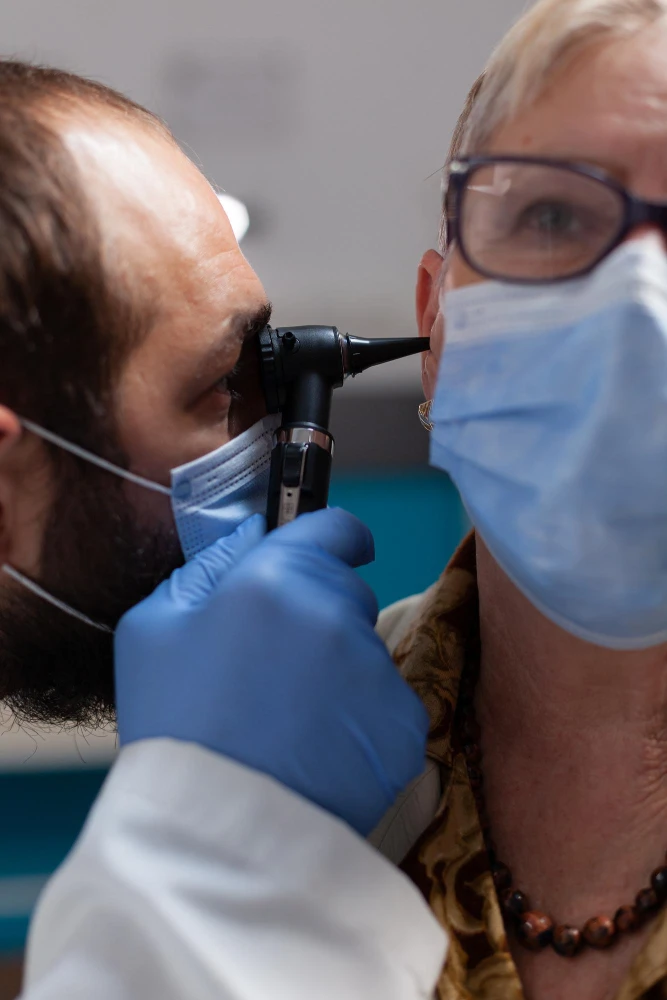
A professional ear examination is the safest way to determine the cause.
It’s impossible to accurately diagnose earwax build-up without visual inspection. Many people:
Assume infections when none exist
Overuse drops unnecessarily
Delay treatment until symptoms worsen
At Drub, ear assessments are carried out using proper visualisation to confirm whether earwax is the cause before proceeding.
Ignoring earwax-related symptoms can lead to:
Worsening blockages
Increased discomfort
Secondary infections
Prolonged hearing difficulties
In contrast, professional microsuction provides:
Immediate symptom relief
Safe, controlled removal
Clear confirmation of ear health
For busy London lifestyles, early treatment prevents weeks of avoidable discomfort.
You should consider professional earwax removal if:
Symptoms persist longer than a few days
Hearing is noticeably reduced
Ear drops have not helped
You rely on hearing aids or earphones
Symptoms affect work, driving, or daily life
Drub offers professional microsuction earwax removal designed around modern urban life.
Patients choose Drub because we provide:
Safe, water-free microsuction
Experienced practitioners
Clear explanations and aftercare
Convenient appointments
We focus not just on removing wax, but on long-term ear health and prevention.
If you’re experiencing any of the symptoms above, earwax build-up could be the cause — and it’s one of the easiest issues to treat.
👉 Book your earwax removal appointment with Drub today and restore clear, comfortable hearing.
Sign up for our newsletter and stay updated on all things ear care and wellness. Plus, enjoy a 10% discount on your next booking or products purchase as a thank you for joining us!